

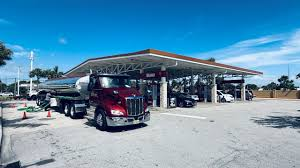
Goldman: Diesel Prices Could Stay High Through 2027 as Refineries Struggle to Meet Demand
Diesel prices may remain higher than many drivers and businesses would like through 2027, according to an outlook from Goldman Sachs. The main reason is simple: refineries may struggle to produce enough diesel to keep up with demand.
That could become an important issue for the U.S. economy because diesel is not only used by trucks. It also powers buses, construction equipment, farm machinery, ships, and many other vehicles and machines.
When diesel becomes more expensive, the effects can reach far beyond the gas station. Higher fuel costs can increase the cost of transporting food, clothing, building materials, and other everyday products.
So, what is happening in the diesel market, and why could prices stay high for so long?
Let’s break it down in simple terms.
Why Is Diesel So Important?
Diesel is one of the most important fuels in the American economy.
Think about the products you see in a supermarket. Before those products reach the store, they usually travel by truck. Those trucks need fuel, and many of them run on diesel.
The same is true for construction companies. Large machines such as excavators, bulldozers, and loaders often use diesel.
Farmers also depend heavily on diesel-powered equipment. Tractors and other farm machines use diesel to plant and harvest crops.
This means diesel is closely connected to everyday life.
If diesel prices rise, transportation and operating costs can rise as well. Businesses may eventually pass some of those higher costs to consumers through higher prices.
That is why the diesel market matters even to people who never drive a diesel vehicle.
What Is Causing the Problem?
One of the biggest issues is the balance between diesel demand and refinery supply.
Refineries take crude oil and turn it into useful products such as gasoline, diesel, jet fuel, and other petroleum products.
If refineries can produce enough fuel, the market usually has an easier time meeting demand.
But when refinery capacity is limited, things can become more difficult.
Imagine a town where 100 families need bread every day, but the local bakery can only make enough for 80 families. The bread supply becomes tight. If demand remains strong, prices can rise.
The diesel market can work in a similar way.
Goldman’s outlook suggests that refinery constraints could keep the diesel market relatively tight. If supply does not grow fast enough while demand remains strong, diesel prices could stay elevated.
Refineries Are Facing More Pressure
The global refining system has changed significantly over the past few years.
Some older refineries have closed, while others have reduced their operations. Building a completely new refinery is also expensive and can take years.
This matters because refining capacity cannot be increased overnight.
Even if oil companies want to produce more diesel, they need the right equipment and enough refinery capacity to process crude oil into fuel.
Maintenance can create another problem.
Refineries regularly need to shut down parts of their facilities for maintenance and upgrades. During these periods, fuel production can temporarily fall.
When several refineries are offline at the same time, the supply of diesel can become tighter.
Strong Diesel Demand Could Keep Prices Elevated
Supply is only half of the story.
Demand also matters.
Diesel remains extremely important for transportation and industrial activity. Heavy trucks, delivery vehicles, construction equipment, agricultural machinery, and other commercial operations continue to rely on diesel.
The U.S. economy also depends on a huge transportation network.
Every day, trucks move products between factories, warehouses, ports, stores, and homes.
As long as this activity remains strong, diesel demand can remain strong too.
This creates a difficult situation for the market.
Strong demand + limited refinery capacity = potential pressure on diesel prices.
That does not mean diesel prices will rise every single month. Prices can move up and down because of crude oil prices, seasonal demand, refinery outages, inventories, weather, and global events.
But the broader market could remain tight.
Why Could This Continue Through 2027?
The important word in Goldman’s outlook is time.
The problem is not necessarily something that can be solved within a few weeks.
Refinery capacity requires large investments. Companies need to decide whether expanding or upgrading a refinery makes financial sense. Construction and major upgrades can take a long time.
At the same time, fuel demand can change quickly.
This creates a mismatch.
Demand can remain strong today, while additional refining capacity may take years to arrive.
That is one reason the diesel market could remain under pressure into 2027.
However, it is important to remember that a forecast is not a guarantee.
Market conditions can change.
If economic growth slows significantly, diesel demand could fall. If more refinery capacity becomes available, supply could improve. If crude oil prices decline, diesel prices could also receive some relief.
In other words, several factors will determine where diesel prices eventually go.
What Does This Mean for American Drivers?
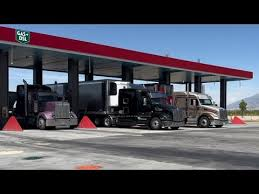
For people driving regular gasoline-powered cars, diesel prices may not directly affect their fuel bill.
But diesel can still affect their household budget indirectly.
Suppose a trucking company spends more money on fuel.
That company still needs to deliver products across the country. Higher transportation costs can increase the cost of operating the business.
Some companies may absorb those costs. Others may raise their prices.
This can affect everything from groceries to furniture and building materials.
That is why fuel prices are closely watched by economists and businesses.
Trucking Companies Could Feel the Pressure
The trucking industry is particularly sensitive to diesel prices.
A truck can travel thousands of miles in a relatively short period. That means fuel is a major operating expense for trucking companies.
When diesel prices rise, trucking companies have several choices.
They can accept lower profits, increase shipping prices, improve fuel efficiency, or use fuel surcharges.
Large companies may have more options because they can negotiate fuel contracts or invest in more fuel-efficient vehicles.
Smaller trucking companies can have a harder time.
For an independent truck owner, even a modest increase in diesel prices can make a noticeable difference in monthly expenses.
Could Higher Diesel Prices Push Inflation Higher?
Potentially, yes.
Fuel is an important part of the economy, so higher energy costs can create inflationary pressure.
For example, imagine a company that delivers food to supermarkets. If its fuel bill rises sharply, its total operating cost also rises.
The company may then charge more for delivery.
The supermarket has its own costs as well. If transportation becomes more expensive, some of that cost may eventually reach shoppers.
This does not mean every increase in diesel prices will automatically cause a large jump in consumer prices.
But persistent high fuel costs can make it harder for businesses to keep prices low.
What Could Bring Diesel Prices Down?
There are several factors that could provide relief.
1. More Refinery Production
If refineries increase their output, the supply of diesel could improve.
More supply can reduce pressure on prices, especially if demand does not increase at the same time.
2. Lower Crude Oil Prices
Crude oil is the main raw material used to make diesel.
If crude oil becomes cheaper, refinery costs can also fall. This can eventually put downward pressure on diesel prices.
However, the relationship is not always immediate.
3. Weaker Economic Growth
If the economy slows, businesses may transport fewer goods.
That can reduce demand for diesel.
A weaker economy is obviously not good news overall, but lower fuel demand can sometimes help bring energy prices down.
4. Better Fuel Efficiency
Trucks and other commercial vehicles are becoming more fuel-efficient.
Over time, improved technology could reduce the amount of diesel needed to move the same amount of goods.
Alternative fuels and electric vehicles could also gradually reduce diesel demand in some parts of the transportation industry.
What Should Consumers Watch?
If you want to understand where diesel prices may be heading, there are several things worth watching.
First, keep an eye on crude oil prices.
Second, watch U.S. refinery operations and capacity.
Third, pay attention to diesel inventories. When inventories are low, the market can become more sensitive to supply problems.
Fourth, watch the overall U.S. economy. Strong economic activity can increase demand for transportation and diesel.
Finally, global events can have a major effect on energy markets. Oil and fuel markets are global, so problems in one part of the world can sometimes affect prices in another.
The Bigger Picture
Goldman’s warning about diesel prices is not simply about what people pay at a fuel pump.
It is about the relationship between supply, demand, refinery capacity, transportation, and the broader economy.
Diesel is one of the fuels that keeps the American economy moving.
Trucks need it. Farms need it. Construction companies need it. Shipping and industrial businesses need it.
If refineries struggle to produce enough diesel while demand remains strong, prices can stay elevated for an extended period.
That is why the possibility of high diesel prices through 2027 deserves attention.
At the same time, consumers should not assume that prices will definitely stay high for the entire period. Energy markets can change quickly.
New refinery capacity, weaker demand, lower crude oil prices, improved fuel efficiency, or changes in the global economy could all change the outlook.
Final Thoughts
The possibility of higher diesel prices through 2027 is an important issue for the U.S. economy.
The basic problem is easy to understand: when demand remains strong but refineries cannot produce enough fuel, the market can become tight and prices can stay high.
For American consumers, the impact may not always appear directly at the pump. Higher diesel costs can also increase transportation and business expenses, which may eventually affect the prices of everyday goods.
For now, the most important things to watch are refinery capacity, diesel inventories, crude oil prices, and economic demand.
Goldman’s forecast is a reminder that energy markets are connected to almost everything we buy and use.
As we move toward 2027, the diesel market will be one more area to watch closely.