

Saving money does not always mean cutting out everything you enjoy. In many cases, it is simply about becoming more aware of where your money is going and making a few smarter choices.
A coffee here, an unused subscription there, frequent food deliveries, impulse purchases, and unnecessary fees may not seem like much individually. But over a month or a year, these small expenses can add up to a surprisingly large amount.
The good news is that you do not need to completely change your lifestyle to save more. Here are 20 practical ways consumers can save money while still enjoying everyday life.
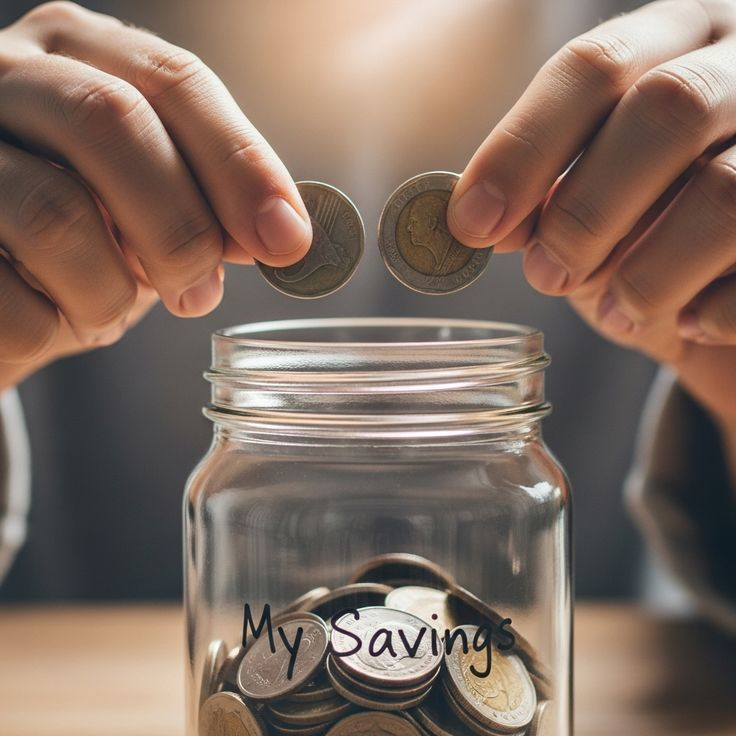
1. Create a Simple Monthly Budget
The first step to saving money is knowing where your money goes. Write down your monthly income and divide your expenses into categories such as rent, food, transportation, bills, entertainment, and savings.
You do not need a complicated spreadsheet. Even a simple note on your phone can help you identify areas where you are spending more than necessary.
2. Track Small Expenses
Large purchases are easy to remember, but small expenses often disappear unnoticed.
A ₹100 snack, ₹200 delivery charge, or ₹150 online purchase may not feel significant. But several small purchases every week can become a substantial expense over time.
Try tracking every expense for 30 days. You may discover spending habits you were not aware of.
3. Cancel Subscriptions You Don’t Use
Streaming services, music apps, cloud storage, memberships, and other subscriptions can quietly consume money every month.
Check your bank or card statements and make a list of recurring payments. If you have not used a service recently, consider cancelling it.
You can always subscribe again later if you genuinely need it.
4. Compare Prices Before Buying
Don’t automatically buy the first product you find.
Before making a purchase, compare prices across different stores and websites. Look at the final price, including delivery fees, taxes, and other charges.
A few minutes of comparison can sometimes help you avoid paying more than necessary.
5. Make a Shopping List
Impulse buying is one of the easiest ways to overspend.
Before going grocery shopping, make a list and try to stick to it. Shopping when you are hungry can also make unnecessary purchases more tempting.
A simple list can help you buy what you actually need instead of whatever catches your attention.
6. Cook at Home More Often
Eating out and ordering food can become expensive when done frequently.
You don’t have to stop eating out completely. Instead, try preparing more meals at home and reserve restaurant visits for occasions when you genuinely want them.
Cooking larger portions can also give you leftovers for the next meal.
7. Use Discounts Carefully
Coupons, cashback offers, and discounts can save money—but only when you were already planning to buy something.
Buying a ₹2,000 product because it has a “50% discount” is not saving money if you didn’t need the product in the first place.
A discount is useful when it reduces the cost of a planned purchase.
8. Wait Before Making Expensive Purchases
For non-essential purchases, try using a 24-hour or 48-hour rule.
If you still want the item after waiting, compare prices and decide whether it fits your budget.
This simple habit can reduce impulse purchases and help you distinguish between something you actually need and something you simply want at the moment.
9. Buy Generic or Store Brands
For many everyday products, cheaper alternatives can provide similar value.
Items such as basic groceries, cleaning products, stationery, and household essentials may have lower-cost alternatives.
However, compare ingredients, quality, quantity, and reviews rather than choosing something solely because it is cheaper.
10. Reduce Food Waste
Food that gets thrown away is money that has already been spent.
Check what you already have at home before shopping. Store food properly and plan meals around ingredients that need to be used soon.
Even reducing a small amount of food waste every week can make a difference over the year.

11. Use Public Transport When Practical
For some journeys, public transportation, walking, cycling, or carpooling can cost less than using a personal vehicle.
When comparing transportation options, consider fuel, parking, maintenance, tolls, and other costs—not just the price of fuel.
Choose the option that makes sense for your time, safety, and budget.
12. Reduce Electricity Consumption
Small changes in electricity usage can help reduce household bills.
Turn off lights and appliances when they are not needed, use energy-efficient lighting, and avoid leaving devices unnecessarily plugged in.
For larger appliances, pay attention to their energy efficiency when replacing them.
13. Maintain Your Things
Replacing something is often more expensive than maintaining it.
Regularly service your vehicle, clean electronic devices properly, maintain appliances, and take care of clothing and furniture.
Good maintenance can extend the useful life of many products and delay replacement costs.
14. Buy Quality When It Matters
Cheapest does not always mean cheapest in the long run.
For products that you use frequently, buying something durable may offer better value than repeatedly replacing a low-quality version.
Think about cost per use, rather than only looking at the initial price.
15. Avoid Unnecessary Banking and Financial Fees
Check your bank accounts and financial products for charges such as service fees, late-payment fees, ATM fees, or other avoidable costs.
Set reminders for bill payments and credit card payments so that you don’t accidentally incur penalties.
Always check the applicable terms and charges for your specific account or financial product.
16. Repair Before Replacing
A broken charger, chair, bag, appliance, or piece of clothing does not necessarily need to go straight into the bin.
If the repair cost is reasonable and the item is otherwise useful, repairing it may be more economical than buying a replacement.
17. Use a Separate Savings Account
Keeping savings separate from everyday spending money can make it easier to avoid spending it accidentally.
Consider transferring a fixed amount to your savings account after receiving your income.
Even a modest, consistent amount can build a useful financial cushion over time.
18. Avoid Buying Just Because Something Is Trending
Social media can make new products look essential even when they are not.
Before purchasing a trending product, ask yourself:
“Would I still want this if I hadn’t seen it online?”
If the answer is no, waiting may save you money.
19. Review Your Expenses Every Month
Set aside 15–20 minutes at the end of each month to review your spending.
Look for:
- Unnecessary purchases
- Unused subscriptions
- High food expenses
- Avoidable fees
- Frequent impulse purchases
- Areas where you can reduce spending
The goal isn’t to criticize yourself. It’s to understand your habits and make better decisions next month.
20. Save Money Before You Spend It
One of the simplest habits is to treat savings as an expense that comes first.
Instead of spending everything and saving whatever remains, decide on a realistic amount to save and set it aside when you receive your income.
The amount does not have to be huge. Consistency is often more important than starting with a large number.
Final Thoughts
Saving money doesn’t have to mean living an extremely restrictive lifestyle. The biggest improvement often comes from making small decisions consistently.
Canceling an unused subscription, cooking at home a few more times, comparing prices, avoiding impulse purchases, reducing food waste, and tracking expenses may each seem like small actions. But together, they can have a meaningful impact on your finances.
The most important thing is to find a saving strategy that you can actually maintain. Start with two or three habits from this list, make them part of your routine, and then gradually add more.
Remember: saving money is not about never spending. It’s about spending intentionally on the things that matter to you.
Disclaimer: This article is for general educational and informational purposes only. Individual spending and saving decisions depend on personal circumstances, income, expenses, and financial goals.