
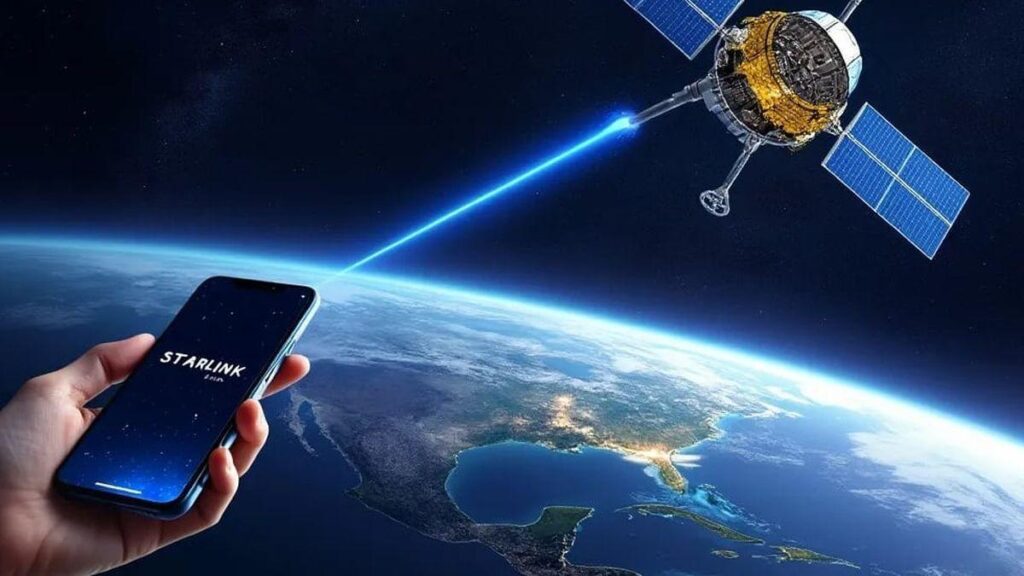
The wireless industry may be heading toward a major change. For years, companies like AT&T, Verizon, and T-Mobile have controlled much of the U.S. mobile phone market. Meanwhile, Apple and Samsung have competed to sell the smartphones that millions of Americans use every day.
Now, SpaceX wants to change the way people connect to the internet and mobile networks.
Its Starlink satellite service is already bringing internet access to places where traditional broadband is difficult to provide. But SpaceX has a bigger plan. It wants to expand Starlink into a more powerful mobile service that could compete directly with major wireless carriers.
In October 2026, SpaceX announced an agreement to acquire valuable low-band wireless spectrum and received approval to deploy its next-generation Starlink Mobile satellite system. These developments could help the company build a network that connects phones through satellites and ground-based equipment.
The plan could create new challenges for AT&T and Verizon. It could also affect Apple and Samsung as satellite connectivity becomes a more important feature of modern smartphones. However, the full impact will depend on technology, pricing, regulations, and how quickly SpaceX can expand its network.
What Is SpaceX Planning to Do With Starlink?
SpaceX, founded by Elon Musk, operates Starlink, a satellite network designed to provide internet access around the world.
Traditional mobile networks depend heavily on cell towers, antennas, and other ground-based equipment. When someone travels into a remote forest, crosses a large desert, or visits an area far from a town, their phone may lose its signal.
Starlink takes a different approach. It uses satellites in low Earth orbit to deliver connectivity to locations that traditional networks may struggle to reach.
At first, Starlink mainly focused on providing internet through special satellite dishes installed at homes, businesses, and other locations. The company later expanded into direct-to-cell technology, which allows compatible mobile phones to communicate with satellites.
Now, SpaceX wants to take another step by developing Starlink Mobile into a more complete wireless service.
According to SpaceX’s October 8 announcement, the company has agreed to acquire up to 14 MHz of paired spectrum in the 800 MHz band. It also received authorization from the Federal Communications Commission (FCC) for a next-generation satellite constellation containing up to 15,000 satellites.
The spectrum acquisition still requires final regulatory approval. If completed, it could help SpaceX combine satellite connectivity with ground-based wireless equipment to provide broader mobile coverage.
In simple terms, SpaceX does not want Starlink to remain just an internet service for homes. It wants to become a much bigger player in the mobile communications market.
Why Could AT&T and Verizon Face More Competition?
AT&T and Verizon have spent years building their mobile networks. Their businesses depend on customers paying monthly fees for phone calls, text messages, and mobile data.
Building a wireless network is expensive. Companies need spectrum licenses, equipment, cell towers, engineers, and ongoing maintenance. They must also improve their networks as customers demand faster internet and more reliable service.
Starlink could challenge this business model by combining satellite technology with wireless spectrum.
1. Better Coverage in Remote Areas
One of the biggest problems with traditional mobile networks is limited coverage.
A person may have a strong signal in a city but lose connectivity while driving through a rural area. This can be frustrating for travelers, delivery workers, outdoor enthusiasts, and people who live far from major population centers.
Satellite connectivity could help reduce these dead zones.
Instead of depending entirely on nearby cell towers, compatible phones could connect to satellites when regular coverage is unavailable.
For customers, this could mean fewer dropped connections and a better chance of staying in touch while traveling.
However, satellite service will not automatically eliminate every dead zone. Buildings, trees, weather conditions, network capacity, and device compatibility can still affect performance.
2. More Pressure on Monthly Phone Bills
Mobile customers often compare carriers based on price, coverage, and data limits.
If Starlink Mobile offers competitive pricing and reliable service, some customers may consider switching from AT&T or Verizon.
That could encourage existing carriers to improve their plans, offer better deals, or add satellite connectivity to their services.
The result could benefit consumers.
Still, there is no guarantee that Starlink will offer cheaper plans. Building and maintaining a satellite network requires substantial investment, and SpaceX has not established that its future service will consistently undercut traditional carriers.
3. A Different Way to Build a Mobile Network
SpaceX is also exploring ways to use smaller ground-based stations rather than relying only on traditional large cell towers.
Its strategy could combine satellite coverage with equipment installed on the ground. This would give the company more than one way to connect users.
But competing nationwide with established carriers is difficult. AT&T and Verizon already have extensive infrastructure, established customer relationships, and experience managing large wireless networks.
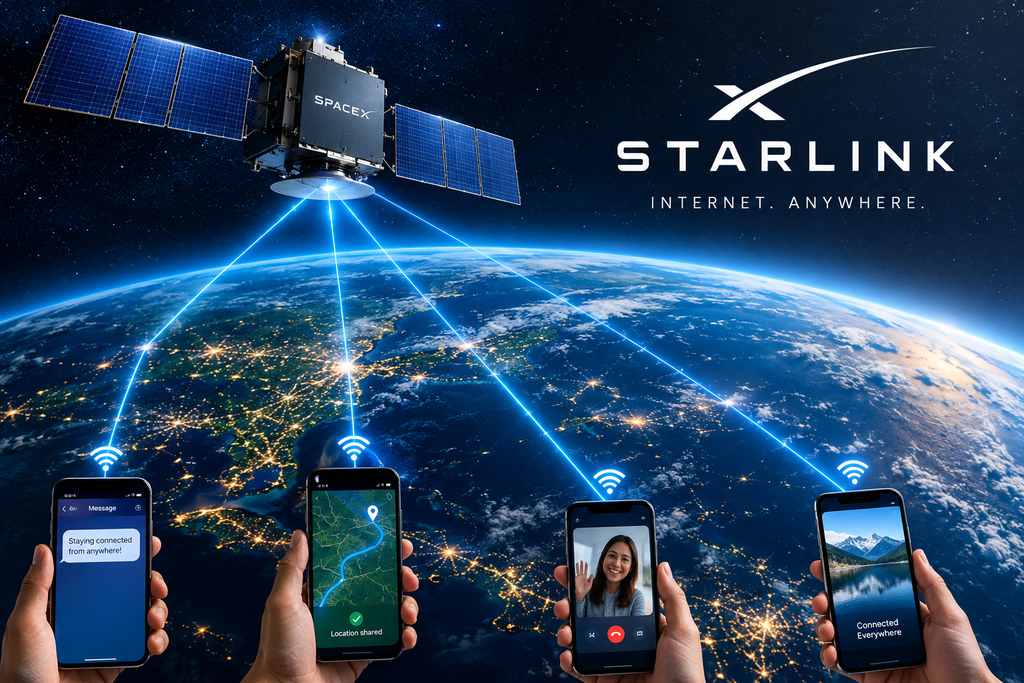
Starlink must prove that its approach can deliver dependable service at scale
.
Why Is Wireless Spectrum So Important?
To understand SpaceX’s strategy, it helps to understand a simple term: spectrum.
Spectrum refers to the range of radio frequencies used to send information wirelessly. Mobile phones, cell towers, and satellites use specific frequency bands to communicate.
Think of spectrum as a road used by wireless signals. More suitable spectrum can help a network carry information, but the results also depend on available capacity, network design, and interference.
SpaceX has been working to secure spectrum that can support its mobile ambitions.
Its earlier agreement to acquire wireless spectrum licenses from EchoStar was worth approximately $19.6 billion. The newer agreement involving the 800 MHz band could strengthen its ability to provide coverage, including in some indoor environments.
Low-band frequencies can travel long distances and penetrate obstacles better than many higher-frequency signals. This makes them useful for broad coverage.
However, low-band spectrum does not provide unlimited capacity. A network serving thousands of people in a crowded city faces different challenges from one connecting a smaller number of users in a remote area.
SpaceX will need to balance coverage, speed, and capacity if it wants to compete with established wireless providers.
How Could Apple and Samsung Be Affected?
Apple and Samsung do not operate mobile networks in the same way that AT&T and Verizon do. Instead, they earn much of their smartphone revenue by selling devices.
So why would Starlink’s expansion matter to them?
The answer is that satellite connectivity could become a more important part of the smartphone experience.
Apple Could Face New Pressure
Apple has already introduced satellite communication features on supported iPhone models. These features can help users access certain services, including emergency assistance, when traditional cellular and Wi-Fi connections are unavailable.
As satellite technology improves, consumers may begin to expect more from their phones.
They might want to send messages, share their location, or access additional services in places where mobile signals are weak.
If Starlink develops a network that works with a wide range of existing phones, Apple may face pressure to ensure its devices support useful satellite-based services.
Apple could also explore additional partnerships or improve its own satellite-related features.
However, Starlink’s expansion does not automatically make Apple’s existing technology obsolete. Smartphone hardware, software, satellite partnerships, and service agreements will all influence what customers can actually use.
Samsung Could Face Similar Challenges
Samsung is another major smartphone manufacturer that could be affected by changes in satellite connectivity.
As the market develops, satellite support may become an increasingly important feature in premium and eventually more affordable smartphones.
If customers can access reliable connectivity in more places, they may consider that capability when choosing their next device.
Samsung could respond by improving satellite support, working with network providers, or developing new features that make its smartphones more attractive.
The company already competes with Apple and other smartphone brands on camera quality, battery life, performance, and software. Connectivity could become another area of competition.
Still, Starlink is not guaranteed to replace the existing relationships between smartphone manufacturers and mobile carriers. The companies may also find opportunities to cooperate.
Could Starlink Make Satellite Connectivity Normal?
For many people, satellite communication still sounds like something reserved for astronauts, remote research stations, or emergency situations.
That could change over time.
Imagine driving through a rural area and losing your regular mobile signal. Your phone might automatically connect to a satellite network, allowing you to send a message or use supported services without searching for a signal.
Or imagine visiting a remote campsite where your phone can still reach someone if an emergency occurs.
These possibilities explain why satellite-to-phone technology is attracting so much attention.
But there is an important difference between basic connectivity and a complete mobile experience.
Sending a short message requires much less network capacity than streaming high-definition video, downloading large files, or making demanding real-time connections.
SpaceX will need to demonstrate that its technology can support the services customers expect, not simply establish a connection in places where no signal previously existed.
The next-generation satellites are intended to improve capacity significantly. Even so, actual performance will depend on deployment, device support, and network conditions.
Live Stock Market Tracker
Follow major companies that could be affected by the growth of satellite and mobile connectivity. Stock data may be delayed.
SpaceX is privately held and does not have a standard publicly traded stock ticker. Starlink is a SpaceX business, not a separate publicly traded company. Therefore, a regular public stock chart for Starlink is not available.
Disclaimer: Stock prices can change during market hours. Market data may be delayed. This section is for informational purposes only and is not investment advice.
The Biggest Challenges SpaceX Must Overcome
Starlink has several advantages, but becoming a major mobile carrier will not be easy.
First, building a reliable network costs money. Satellites must be launched, maintained, and replaced over time. Ground infrastructure also requires investment.
Second, government approval matters. Wireless spectrum is regulated, and SpaceX must follow the relevant rules before using its acquired spectrum for new services.
Third, established carriers have a strong head start. AT&T, Verizon, and T-Mobile already serve millions of customers and operate extensive networks.
Fourth, smartphones must support the service. Even if a satellite network is available, customers may need compatible devices, software, or service plans to use its features.
Finally, network capacity remains a concern. Satellites cover large areas, but the available bandwidth must be shared among users. A service that works well in a remote location may face greater pressure in a densely populated city.
These challenges mean Starlink’s growth will likely depend on a gradual rollout rather than an immediate replacement of traditional mobile networks.
What Does This Mean for Consumers?
For everyday customers, the most important question is simple: Will mobile service become more reliable, more affordable, or both?
If Starlink succeeds, customers could have more choices. People living in rural communities might gain better access to connectivity, while travelers could benefit from fewer areas without a signal.
Competition could also push existing carriers to improve their services and introduce new plans.
Smartphone buyers may see satellite connectivity become a more common feature in future devices.
However, consumers should not assume that their current phones will automatically receive every new Starlink feature. Availability will depend on the specific service, device, location, and plan.
Customers should also compare prices and limitations carefully before changing providers.
The best outcome would be a market where satellite companies and traditional carriers compete to offer better services rather than simply charging customers more for new technology.
Final Thoughts
SpaceX’s next Starlink move could mark an important turning point for the U.S. wireless industry.
By expanding its spectrum holdings and developing next-generation satellites, the company is moving closer to its goal of becoming a major mobile service provider.
AT&T and Verizon could face stronger competition if Starlink delivers reliable coverage and attractive plans. Apple and Samsung may also need to respond as satellite connectivity becomes a more important part of the smartphone market.
However, the outcome is far from certain. SpaceX must still overcome technical challenges, expand its infrastructure, secure the necessary approvals, and prove that its service can compete at scale.
One thing is clear: the future of mobile connectivity may not depend only on cell towers anymore. Satellites could become an important part of how people stay connected.
For consumers, that could mean more choices, better coverage, and new possibilities. The real test will be whether Starlink can turn its ambitious plans into a service that works reliably in everyday life.